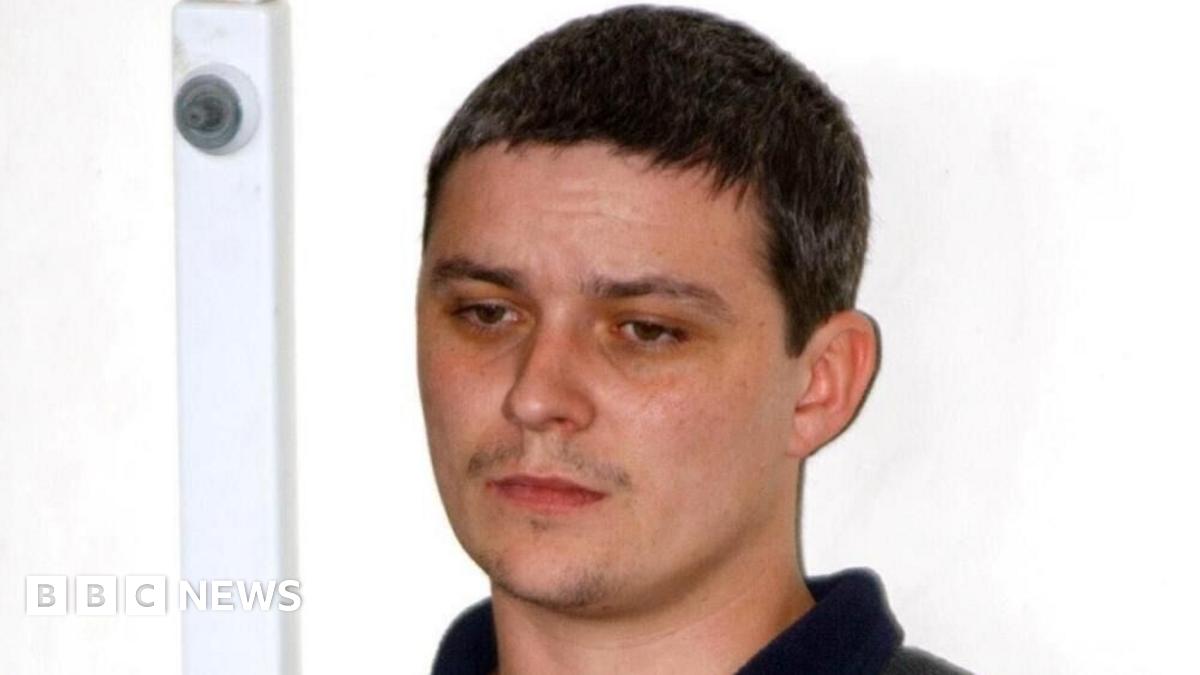
Police Probe Brutal Prison Attack on Soham Murderer Ian Huntley
The high-security walls of HMP Frankland in Durham have once again become the focal point of national attention, following a brutal assault on notorious child murderer Ian Huntley. The man responsible for the tragic deaths of Holly Wells and Jessica Chapman in 2002, Huntley, now 52, was reportedly found in a pool of blood after an alleged attack by a fellow inmate. This latest incident has thrust the convicted killer back into the headlines, raising serious questions about prison security, the management of high-profile inmates, and the ongoing challenges within the UK's penal system. As of the latest reports, Ian Huntley remains in a serious condition, prompting a full-scale police investigation into the circumstances surrounding the assault.
Understanding the Soham Murderer's Current Condition and the Ongoing Investigation
Details emerging from the incident paint a grave picture of
soham murderer condition. Police and prison authorities confirmed that Huntley was rushed to hospital after sustaining significant injuries, described as serious. While specific details about his injuries have not been publicly disclosed, early reports indicated he suffered serious head injuries and was found in a critical state. A Durham Constabulary spokesperson has consistently stated that there has been no significant change in his serious condition overnight, underscoring the severity of the assault.
The attack, which reportedly occurred in a prison workshop, immediately triggered a major response. An air ambulance was dispatched to HMP Frankland, though Huntley was ultimately transported to hospital by road. A male prisoner, described as being in his mid-40s, has been identified as a suspect and is currently being held in detention within the prison. Crucially, he has not yet been arrested, as the police investigation is still in its nascent stages. Detectives from Durham Constabulary are working closely with staff at HMP Frankland to piece together the events leading up to the attack, meticulously examining the scene, interviewing witnesses, and reviewing CCTV footage. The focus of the probe is not only to identify the assailant but also to ascertain if there were any security breaches or systemic failings that allowed such a violent incident to occur within a supposedly secure facility.
A History of Violence: Huntley's Previous Prison Assaults
This is not the first time Ian Huntley has been the victim of a serious prison attack, highlighting a disturbing pattern and the unique vulnerabilities faced by inmates convicted of the most heinous crimes. HMP Frankland, often dubbed the "Monster Mansion" due to its population of high-risk offenders, has been the scene of previous attempts on Huntley's life. Readers interested in the specifics of these past incidents can find more information here:
Ian Huntley Attacked Again: A History of Prison Violence Unveiled.
One of the most notable previous assaults occurred in March 2010, when inmate Damien Fowkes slashed Huntley's throat with a makeshift knife. Fowkes, already serving time for other offences, was subsequently sentenced to a minimum of 20 years for the attempted murder of Huntley and the manslaughter of another child killer, Colin Hatch. The court heard that Fowkes inflicted a seven-inch wound on Huntley's neck, and it was only "good fortune" that the weapon missed anything vital. This earlier incident underscores the constant threat that high-profile child murderers like Huntley face within the prison system, where a brutal hierarchy and inmate "justice" can often override official security measures. These repeated attacks raise critical questions about the effectiveness of protective custody and the immense challenges prison staff face in ensuring the safety of such reviled individuals, who are often targets for other inmates seeking notoriety or retribution.
The Shadow of Soham: Recalling the Horrific Crimes
The very name Ian Huntley remains synonymous with one of the most shocking and heartbreaking crimes in recent British history. In August 2002, the quiet Cambridgeshire town of Soham was plunged into an unimaginable nightmare when 10-year-olds Holly Wells and Jessica Chapman disappeared after leaving a family barbecue to buy sweets. Their disappearance triggered one of the most extensive and intense search operations in British criminal history, capturing the attention and hearts of the entire nation.
Huntley, who was the school caretaker at Soham Village College, insidiously inserted himself into the search efforts, even giving interviews to reporters on camera, feigning concern for the missing girls. His façade crumbled two weeks after their disappearance when the girls' bodies were discovered in a ditch near an air base in Lakenheath, Suffolk. The subsequent investigation revealed that Huntley had lured the girls into his home, murdered them, and then dumped their bodies some 12 miles away.
In December 2003, Ian Huntley was convicted of murdering both Holly Wells and Jessica Chapman and was sentenced to two terms of life imprisonment. His then-girlfriend, Maxine Carr, who was a teaching assistant at the girls' school, knowingly provided him with a false alibi. She was later jailed for three-and-a-half years for conspiring to pervert the course of justice. The brutality and deception surrounding the Soham murders left an indelible mark on the national consciousness, and the memory of the victims continues to fuel public revulsion towards Huntley. This historical context is vital for understanding the intense public interest and complex reactions to any news concerning Ian Huntley, especially regarding his current serious condition. For more details on the severity of the situation surrounding the attack, readers may wish to consult:
Soham Killer Ian Huntley's Serious Condition After HMP Attack.
Implications for Prison Security and Management of High-Profile Inmates
The latest attack on Ian Huntley at HMP Frankland brings to the forefront perennial concerns regarding prison security, particularly in facilities housing high-risk and high-profile offenders. Managing inmates like Huntley presents a unique set of challenges for the Prison Service. These individuals are often segregated or placed in enhanced security conditions due to the severe threat they pose to others, as well as the danger they face from fellow prisoners. The inherent "notoriety" associated with their crimes often makes them targets for other inmates seeking to make a name for themselves or enact their own form of 'justice'.
This incident will undoubtedly lead to a thorough internal review of HMP Frankland's security protocols, staffing levels, and inmate management strategies. Questions will likely arise about:
- Inmate Segregation and Monitoring: How effectively are high-risk inmates separated, and are their movements and interactions sufficiently monitored?
- Workshop Security: Workshops, while providing constructive activities, can also be environments where opportunities for assault arise. What specific measures are in place to prevent violence in these areas?
- Intelligence Gathering: Are prison authorities effectively gathering intelligence on potential threats among the inmate population?
- Staffing Levels: Do current staffing levels allow for adequate supervision of inmates, especially those with known vulnerabilities?
The Prison Service faces a delicate balancing act: maintaining order and safety for all inmates and staff, while also upholding the principle that even the most reviled prisoners are entitled to a level of protection within the state's custody. This latest event underscores the constant, high-stakes battle to achieve that balance, revealing the complex and often dangerous dynamics within high-security prison environments.
Conclusion
The brutal assault on Ian Huntley at HMP Frankland, leaving the Soham murderer in a serious condition, serves as a stark reminder of the volatile nature of life within maximum-security prisons. As police continue their investigation and Huntley fights for his life in hospital, the incident reignites public discourse on prison safety, the unique challenges posed by high-profile inmates, and the grim legacy of the horrific crimes that first brought Huntley into the national spotlight. The unfolding events at HMP Frankland will undoubtedly prompt a deeper scrutiny of the measures in place to protect both inmates and staff, striving to prevent such violent occurrences in the future, even for those whose past actions evoke widespread revulsion.