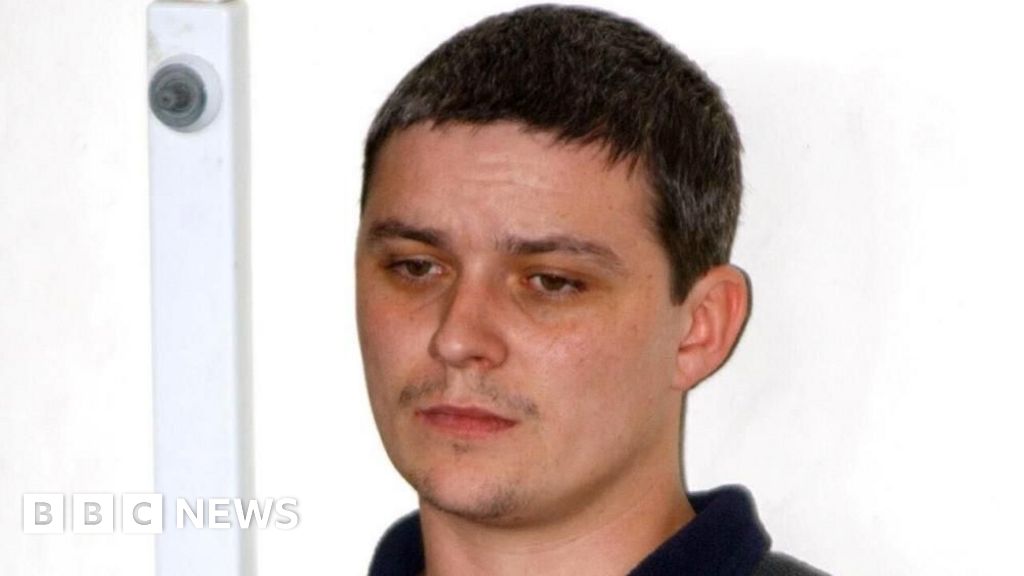
Ian Huntley Attacked Again: A History of Prison Violence Unveiled
The name Ian Huntley sends shivers down the spine of a nation, forever linked to one of Britain's most horrific child murder cases. Now, the infamous Soham murderer is once again making headlines, not for a new crime, but for being the victim of a brutal assault within the confines of HMP Frankland. This latest incident, which has left Huntley in a serious condition, reignites questions about prison safety, the dynamics of high-security correctional facilities, and the unique vulnerabilities of high-profile inmates.
The Latest Incident: A Serious Assault on Ian Huntley
Reports confirm that Ian Huntley, the 52-year-old double child killer, was found severely injured following an alleged attack by another inmate at HMP Frankland in Durham. Described as being discovered "in a pool of blood," Huntley sustained serious head injuries and was immediately transported to hospital. His *soham murderer condition* remains serious, a testament to the severity of the assault.
The incident occurred in a prison workshop, indicating a breach in direct supervision or an opportunity seized by the assailant. Durham Constabulary quickly launched an investigation, identifying a male prisoner in his mid-40s as a suspect. While this individual has not been formally arrested, he remains in detention within the prison, cooperating with inquiries. The swift police response underscores the gravity with which such incidents are treated, even when the victim is one of the country's most reviled criminals. Further details on the immediate aftermath and ongoing investigation can be found in related coverage, such as
Police Probe Brutal Prison Attack on Soham Murderer Ian Huntley.
A Pattern of Violence: Huntley's Troubled Prison History
What makes this latest attack particularly striking is that it is far from an isolated event. Ian Huntley has a well-documented history of being targeted by fellow inmates, suggesting a consistent vulnerability within the prison system. His notoriety, stemming from the unspeakable nature of his crimes, makes him a prime target for those seeking to make a name for themselves, or perhaps simply to inflict a form of vigilante justice.
Perhaps the most infamous prior incident occurred in March 2010, when Huntley's throat was slashed by fellow inmate Damien Fowkes at the same facility, HMP Frankland. Fowkes used a makeshift weapon to inflict a seven-inch wound on Huntley's neck. Miraculously, vital arteries were missed, and Huntley survived, though it was described as pure "good fortune." Fowkes was later sentenced to life imprisonment for the attempted murder of Huntley and the manslaughter of another child killer, Colin Hatch, demonstrating the extreme lengths some inmates will go to. This earlier attack, and the current serious *soham murderer condition*, highlight the constant threat Huntley faces.
These repeated assaults paint a grim picture of prison life for high-profile offenders, particularly those convicted of crimes against children. Despite being housed in one of the UK's most secure prisons, designed to hold dangerous criminals, the underlying dynamics of prison culture can make certain individuals targets, regardless of security measures.
The Horrific Crimes of Soham: A National Tragedy Revisited
To understand the intense animosity directed towards Ian Huntley, one must revisit the devastating events of August 2002. Ten-year-old schoolgirls Holly Wells and Jessica Chapman vanished from the quiet town of Soham, Cambridgeshire, after leaving a family barbecue to buy sweets. The subsequent search effort became one of the most extensive and intense in British criminal history, capturing the nation's attention and hopes.
Ian Huntley, the school caretaker at Soham Village College where the girls attended, inserted himself into the search efforts. He famously appeared on camera, feigning concern and giving interviews to reporters, all while knowing he was responsible for their disappearance. This chilling deception only compounded the horror when, 13 days later, the girls' bodies were found dumped in a ditch near an air base in Suffolk.
Huntley was arrested and later convicted in December 2003 of murdering both girls, receiving two terms of life imprisonment. His girlfriend at the time, Maxine Carr, a teaching assistant at the girls' school, provided him with a false alibi and was subsequently jailed for perverting the course of justice. The sheer depravity of Huntley's actions, coupled with his calculating deception, cemented his status as one of Britain's most reviled figures, ensuring that his name would forever be synonymous with profound evil. The enduring impact of these crimes continues to shape public perception of Huntley, and likely contributes to his perilous *soham murderer condition* within prison walls.
Understanding Prison Dynamics and High-Profile Inmates
The repeated targeting of Ian Huntley, and the current serious *soham murderer condition*, offer a stark look into the complex and often brutal world of prison dynamics. High-profile inmates, especially those convicted of child sexual offenses or murder, often occupy the lowest rung of the prison hierarchy. There is an unwritten code among prisoners, and those who harm children are frequently ostracized and targeted, sometimes with the tacit understanding of other inmates, if not explicit encouragement.
HMP Frankland is a Category A prison, designed for inmates who pose the most significant risk to the public and require the highest level of security. Such facilities employ stringent measures, including constant surveillance, controlled movements, and segregation for vulnerable prisoners. Yet, as Huntley's history demonstrates, even in these environments, determined assailants can find opportunities.
*
Challenges for Prison Authorities: Preventing attacks on inmates like Huntley presents a significant operational challenge. Balancing the need to protect vulnerable prisoners with maintaining order and avoiding the creation of 'super-privileged' segregated units requires constant vigilance and strategic planning.
*
The 'Code' Among Inmates: The internal justice system among prisoners can be more potent than official rules. Inmates like Huntley are often seen as deserving of punishment beyond their court-imposed sentences, leading some to take matters into their own hands.
*
Psychological Impact: For prison staff, managing such high-risk inmates and preventing incidents is highly stressful. The constant threat of violence, both between inmates and directed at staff, contributes to a challenging working environment.
The reality is that while the public might feel a grim satisfaction at the news of Huntley's suffering, such incidents pose serious questions for the integrity and safety protocols of the correctional system. The primary goal of a prison is to hold individuals securely and safely, regardless of their crimes.
The Broader Implications of Violence in Correctional Facilities
The latest severe injury to Huntley, and the ongoing serious *soham murderer condition*, transcends the individual case, touching upon broader issues within the UK's correctional system. While public sympathy for Ian Huntley is understandably non-existent, the recurring violence against him raises questions about the state's responsibility to protect all prisoners, even the most heinous.
Such attacks strain prison resources, requiring investigations, medical care, and potential re-evaluation of security protocols. They can also contribute to an atmosphere of fear and instability within the prison, affecting both inmates and staff. The justice system aims to punish through incarceration, not through extra-judicial violence within prison walls.
The ongoing investigation into Huntley's current condition and the history of prison violence he has endured serve as a potent reminder of the complex challenges faced by the Prison Service. Ensuring the safety of all inmates, even those who have committed the most unforgivable acts, remains a fundamental, albeit often unpopular, aspect of maintaining a just and orderly society. More information on the serious nature of his injuries and condition can be found in articles such as
Soham Killer Ian Huntley's Serious Condition After HMP Attack.
The serious *soham murderer condition* following this latest attack underscores the relentless danger Ian Huntley faces daily. It brings into sharp focus not only the enduring revulsion for his crimes but also the harsh realities and ethical dilemmas inherent in managing high-profile, deeply unpopular inmates within the confines of the prison system. The investigations will continue, but the questions about preventing such violence will undoubtedly persist.